


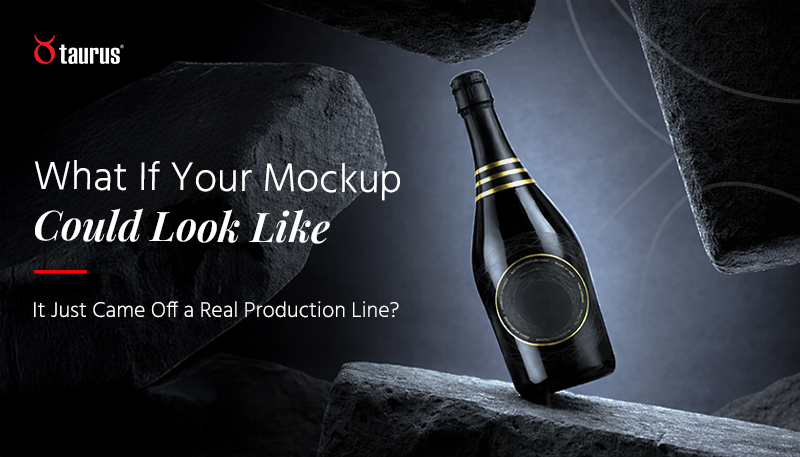
Every great packaging solution begins as an idea—an imagined product sitting perfectly on a shelf, reflecting a brand’s identity and intent. When brands brief their printing and packaging partners, this vision is often vivid yet intangible. Transforming that imagination into a production-ready reality is where the true craft of mock-up development begins.
Creating a high-quality mock-up is far from a simple task. It involves a series of carefully orchestrated steps, each contributing to the accuracy and effectiveness of the final output. A well-executed mock-up not only visualizes the end product but also acts as a critical validation tool before full-scale production.
With over 18 years of hands-on experience in packaging development, the process of building a mock-up can be compared to perfecting a model—where every curve, dimension, and finish must align seamlessly. Achieving this level of precision requires a deep understanding of both pre-print and post-print variables. As highlighted in the book “Sleeve it Right,” a successful mock-up lays the foundation for a flawless production run.
At Taurus, we collaborate closely with brands across the spectrum—from emerging startups to established market leaders. While their goals and product requirements may vary, one element remains constant: the need for a mock-up that accurately represents their vision. This is why attention to detail is at the core of our process.
Below is a structured approach we follow to deliver production-like mock-ups:
- KLD Development (Keyline Design)
Often considered the blueprint of packaging, KLD defines the structure and dimensions of the final product. Precision at this stage is critical, as it determines the physical form and fit of the packaging. - Design & Pre-Press Preparation
This stage involves translating creative concepts into technical designs. It includes working with die-lines, digital proofs, and layout adjustments to ensure the design aligns perfectly with the packaging structure. - Substrate Selection
Choosing the right material is essential. From shrink sleeve substrates to ink types and printing technologies, every decision is guided by the product’s functional and aesthetic requirements, including shrinkage behavior. - Arc View & Predistortion
A three-dimensional evaluation helps identify potential distortion issues. Predistortion techniques are applied to compensate for these changes, ensuring that the final printed design appears accurate after application. - 3D Prototype Development
The prototype serves as a near-real representation of the final product. It provides clarity on technical parameters such as shrinkage, distortion, and compatibility with container shapes. This stage delivers the mock-up that is presented for client approval.
This 3D prototype is the final checkpoint before production begins. While it may appear seamless, the journey to this stage involves meticulous planning, technical expertise, and iterative refinement. Each step plays a decisive role in ensuring the integrity of the final product. In reality, packaging production is a complex and detail-intensive process. What appears effortless on the shelf is the result of multiple precision-driven stages behind the scenes. Even a minor oversight at the mock-up stage can significantly impact the final outcome.
That’s why a mock-up that truly mirrors the production result is more than just a deliverable—it’s a benchmark of excellence. Partnering with a team that invests in getting every detail right can make all the difference in building a successful brand presence. For inquiries or support, reach out at info@tauruspackaging.com or call +91 9667400919.
Chetan Jain
MD & CEO
Taurus Packaging
